Awake at 3 AM? What Your Body May Be Asking For
Waking in the middle of the night can happen for many reasons. Instead of treating 3 AM as a diagnosis, begin with the patterns you can actually observe.
*Waking during the night can happen for many reasons. Instead of treating 3 a.m. as a diagnosis, begin with the patterns you can actually observe.*
You wake, look at the clock and there it is again:
3:07 a.m.
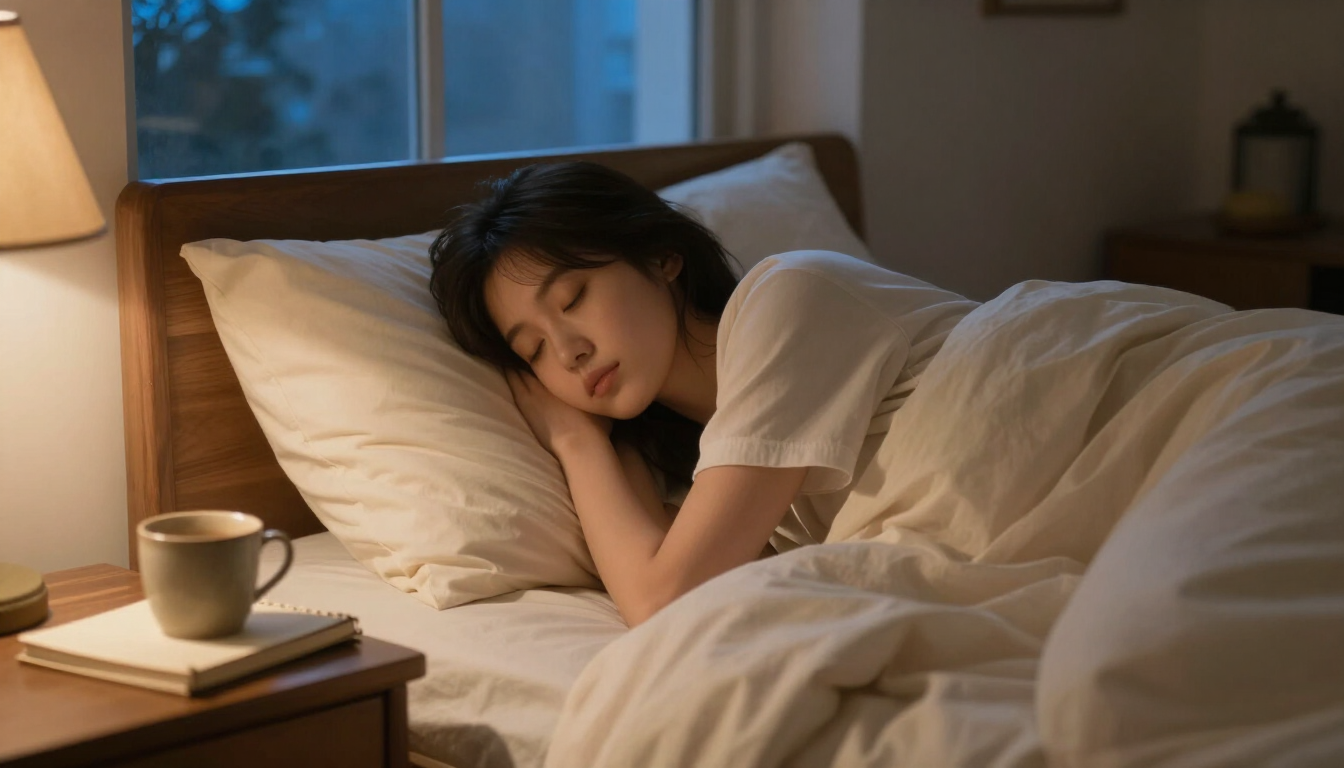
The room is quiet. Your body is tired.
Your mind, suddenly, is not.
It is tempting to believe that waking at a particular hour must have one particular meaning. Online charts may assign an organ, emotion or hidden imbalance to every hour of the night.
Human sleep is not that simple.
Night waking can be influenced by stress, noise, temperature, age, hormonal changes, alcohol, caffeine, medication, discomfort, changing schedules and sleep disorders. Brief awakenings can also occur naturally between sleep cycles, even when we do not remember them.
That means 3 a.m. is not a diagnosis.
But the pattern may still offer something worth noticing.
## START WITH WHAT YOU CAN OBSERVE
Rather than beginning with:
What organ or element wakes at 3 a.m.?
Try asking:
* What was different yesterday?
* Was the day unusually demanding?
* Did I go to bed mentally activated?
* Was the room too warm, bright or noisy?
* Did I have alcohol or caffeine later than usual?
* Am I waking because of discomfort, heat or the need to use the bathroom?
* Is this occasional, or has it become a repeated pattern?
These observations are more useful than forcing every awakening into the same explanation.
You do not need to solve the entire pattern while lying awake. Make a short note the next morning and look for repetition over several days.
One difficult night is an experience.
Several similar nights may reveal a pattern.
## AN ELEMENTAL REFLECTION
Within Thai Longevity Method, Wind offers a traditional language for movement and rhythm.
Wind does not cause night waking, and it is not another name for anxiety or nervous-system activation.
But if you wake with racing thoughts, unfinished conversations or a mind already planning tomorrow, Wind can prompt a useful question:
Did my day contain a genuine transition from activity into rest?
Earth offers a complementary reflection.
Earth represents structure, support and what helps life feel held. It asks:
What reliably tells my body that the day has finished?
This might be dimmer light, less stimulating input, a familiar sequence before bed or a few minutes of slow, comfortable breathing.
The purpose is not to perform an elaborate sleep ritual perfectly.
It is to create a recognisable ending.
## WHEN YOU WAKE DURING THE NIGHT
First, avoid turning the awakening into a test you have failed.
Checking the time repeatedly and calculating how few hours remain can increase pressure precisely when the mind needs less to manage.
Keep the room quiet, dark and comfortably cool where possible. Let your attention rest on something simple and physical:
* The weight of the blanket
* The support of the mattress
* A soft, unforced exhalation
* A slow scan from the feet upward
* One neutral sound in the room
If you remain fully awake and begin feeling frustrated, it may help to leave the bed briefly and do something quiet in dim light, returning when sleepiness begins to reappear.
Avoid starting work, scrolling through stimulating content or treating the awakening as extra productive time. Otherwise, the middle of the night can slowly become another part of the working day.
## LOOK BEYOND THE NIGHT ITSELF
The answer to night waking may not be found only in the final hour before bed.
Look at the whole day.
Was there daylight in the morning?
Was there movement?
Was caffeine used to compensate for exhaustion?
Did work continue mentally long after it ended practically?
Was there any moment without input?
Sleep belongs to a twenty-four-hour rhythm. Evening practices may help, but they cannot always compensate for a day organised around continuous stimulation and insufficient recovery.
## KNOW WHEN TO ASK FOR HELP
Repeated waking can have many causes.
Speak with an appropriate healthcare professional when sleep disruption is persistent, worsening or significantly affecting daily life—particularly if it is accompanied by loud snoring, gasping, breathing pauses, substantial daytime sleepiness, uncomfortable sensations in the legs, persistent pain or marked changes in mood.
Do not assume that every recurring sleep difficulty is stress, hormones or an elemental pattern.
Proper assessment matters.
## LISTEN WITHOUT FORCING
There is no promise that one breathing exercise or evening ritual will "fix" a 3 a.m. waking pattern within a particular number of weeks.
That is precisely the point.
Thai Longevity Method is not about forcing the body to obey a formula.
It is about noticing what changes, identifying what repeats and responding with enough care to seek support when the pattern asks for more than self-guided practice.
The question is not:
What is wrong with me at 3 a.m.?
It is:
What does this pattern invite me to notice—during the night and throughout the day?
*This article offers general wellbeing information and is not a substitute for individual medical advice.*
Written by
Jean Lumi
Founder of the Thai Longevity Method, blending traditional Thai elemental medicine with modern nervous system science to help people live with greater calm, resilience and vitality.
About Jean LumiA short, gentle reflection to notice which element may be asking for attention right now.
Find Your Current Element